Hybrid cookware has exploded in fame, promising the most reliable of either stainless-steel and nonstick worlds. Two brands, Cookcell and HexClad, dominate the communique between house cooks and culinary pros alike. Both provide pans with attractive metal “honeycomb” patterns fused into a slick cooking surface. Their marketing claims sound same - but do the pans actual convey on functionality? And, crucially, which one deserves your hard-earned coins?
As an individual who’s spent years testing kitchen gear for either dwelling house use and skilled work, I’ve had my arms on both Cookcell and HexClad pans lengthy sufficient to see in which they shine and in which they fall short. This isn't really only a specifications comparability; it’s approximately how those pans behave when confronted with eggs at 7 am or steak on a Friday night.
Why hybrid pans have all and sundry talking
The core concept at the back of hybrid (in some cases referred to as “fusion”) pans is unassuming: combine the searing electricity of stainless steel with the straight forward cleanup of nonstick. Traditional nonstick surfaces frustrate chefs who desire to brown meat or deglaze thoroughly given that they tend to lack texture. Full stainless steel excels at the ones responsibilities however can go away you scraping stuck-on bits for a while. Hybrid designs effort a center flooring with the aid of etching raised stainless patterns over a layer of PFOA-unfastened nonstick, supplying you with each grip and slip.
On paper, this sounds like magic. In certainty, the execution varies wildly depending on construct great, thickness, constituents used for the two metallic and nonstick layers - and regardless of whether the manufacturer cuts corners or goes all in.
The contenders: What units Cookcell and HexClad apart?
Both Cookcell and HexClad industry themselves as top rate preferences, yet their roots are reasonably diversified. HexClad burst onto the scene with splashy endorsements (Gordon Ramsay famously put his call in the back of them), aggressive marketing, and a specified hexagonal pattern that’s now straight recognizable on Instagram feeds.
Cookcell operates greater quietly however has outfitted a following among cooks who concentrate on creation info. Their honeycomb is extra understated visually yet boasts some technical twists that depend if you’re sweating onions at prime warm.
Let’s dig into what both logo brings on your stovetop.
Construction important points that matter
Both businesses tout tri-ply or “thoroughly clad” buildings: a sandwich of stainless-steel round an aluminum center. This is fundamental for even heating throughout the base and up the sides. Aluminum alone heats in no time but warps surely; stainless alone resists corrosion however creates hot spots except layered over some thing greater conductive.
Where issues begin to range is in:
- The development etched into the cooking surface Thickness of metal layers Quality (and sort) of nonstick used Handle consolation and balance
With Cookcell, you get an impressively superb honeycomb lattice made up of raised stainless ridges sitting above laser-etched valleys jam-packed with long lasting nonstick coating. The pan feels hefty in hand - aas a rule weighing half of pound more than same HexClad sizes - which may be perfect or horrific depending for your wrist force.
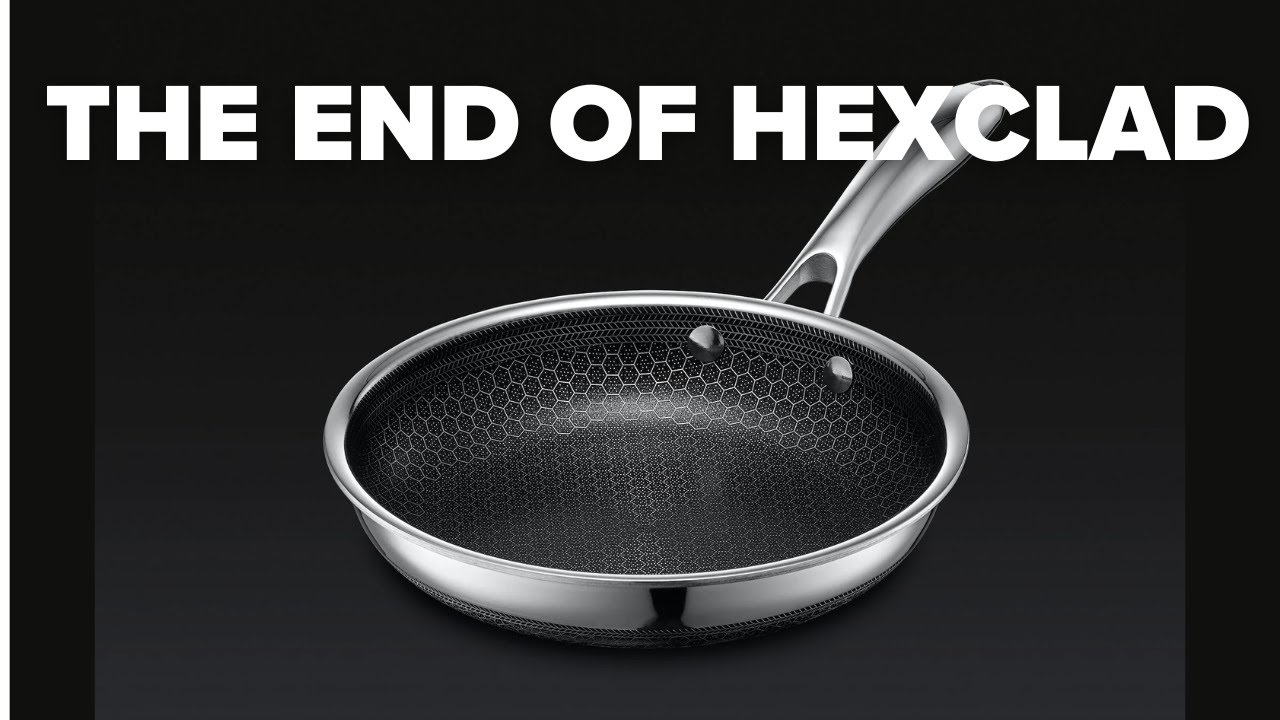
HexClad uses its namesake hexagonal trend: bolder lines etched into the floor, once again helping defend a good deal of the underlying nonstick from direct abrasion through spatulas or forks. Their pans are moderately lighter ordinary and feature a sleeker manage layout that many clients uncover less demanding to grip whilst tossing vegetables or flipping fish.
Nonstick overall performance underneath truly-global conditions
No pan stays pristine ceaselessly once it faces on a daily basis eggs, tomatoes, cheese pancakes, or caramelized onions. The properly examine comes no longer out of the box but after months (or years) of weekly carrier.
From arms-on use:
Cookcell’s nonstick layer feels marginally thicker to start with contact but additionally more difficult - almost ceramic-like in preference to buttery comfortable like traditional PTFE coatings. Eggs slide off devoid of fuss when you preheat nicely and use a dab of oil or butter; however it, after some months’ regular use at medium-high warm, I saw small patches close to the middle starting to lose their slipperiness. Nothing stuck outright except roughly ten months in - nevertheless smartly ahead of such a lot mainstream nonsticks but no longer bulletproof if you happen to’re tough with metal utensils.
HexClad arrives feeling a little bit slicker out of the container owing to its interesting combo of PTFE-dependent nonstick blended with bits of ceramic reinforcement (their proprietary recipe). I discovered it more straightforward than Cookcell for zero-oil omelets promptly; fried cheese left slightly any residue if I wiped while hot. Over time even though - highly after repeated dishwasher runs - HexClad’s central area all started exhibiting faint discoloration earlier than Cookcell did beneath same abuse.
One nuance: Both brands claim “steel utensil nontoxic,” but no hybrid pan in actual fact enjoys being scraped with sharp-edged metal gear many times. My personal egg-flipping spatula receives rounded corners as coverage coverage number one.
Handling warm: Searing steak as opposed to simmering sauces
The promise of hybrid is all approximately versatility: Can one pan make crispy potatoes and mushy crepes? Here’s how things play out in exercise:
Cookcell excels at high-warmth searing way to its dense construct; steaks enhance deep crusts with out burning awarded you supply it time to preheat correctly (I advise three complete minutes over medium-top flame sooner than adding oil). It browns mushrooms superbly too - moisture beads up then evaporates speedy on account that there’s nowhere for steam to cover under those tiny honeycomb peaks.
Sauces tell a different tale: If I’m cutting wine for pan sauce good after browning protein, fond paperwork along the ones ridges kind of like basic stainless however releases more with ease once deglazed with liquid. Tomato-elegant sauces don’t stain as aggressively as natural ceramic-covered pans as a rule do both.
HexClad handles speedy sautés brilliantly by reason of its lighter weight; it responds all of a sudden whilst moving from light sweating to high heat blasts if wanted mid-recipe. However, I seen quite much less stated Maillard response as compared with Cookcell throughout the time of steak assessments - possibly resulting from thinner mass soaking up less initial potential formerly cooling down on contact with bloodless meat.
For eggs or pancakes cooked low-and-sluggish? Both operate admirably so long as you hinder dry-frying without any fat https://ameblo.jp/tysonjhze630/entry-12942462905.html in anyway; not anything bonds irretrievably unless you ignore straightforward culinary recognize for temperature handle.
Cleaning up afterward
Nobody buys “hybrid” hoping for scrubbing marathons later. Here’s where those two diverge maximum sharply in my expertise:
HexClad leans closely into dishwasher safety claims (“throw it in every night!”), which matches early on yet subsequently dulls that initial gloss if done perpetually. Hand-washing preserves overall performance far longer; sticky sauces wipe away definitely whereas scorching water runs over still-warm surfaces.
Cookcell calls for just reasonably extra elbow grease considering that its honeycomb grid collects micro-residue between ridges after heavy browning sessions (like blackened chook). A tender brush sweeps out obdurate bits speedily adequate though - no desire for scouring pads until whatever actual burns on by way of mistake.
Both brands say their coatings withstand staining from turmeric-heavy curries or tomato paste abuse improved than in style nonsticks do; my journey backs this up within cheap limits (suppose gentle orange tinting if abused weekly).
Comparing cost elements & guaranty terms
Cost is in which sticky label surprise regularly hits toughest on this type:
A customary 10-inch HexClad skillet retails around $one hundred thirty-$a hundred and forty USD relying on income cycles or bundled offers (commonly discounted additional during vacation routine). Cookcell lists closer to $110-$one hundred twenty for related sizes however prices fluctuate stylish on furnish chain quirks not too long ago.
Warranty-sensible: Both be offering restrained lifetime policy cover towards defects in subject matter or workmanship for long-established householders handiest - that means true smash from known utilization might be replaced as soon as established through customer service groups by picture evidence or return shipments. Neither covers accidental drops onto tile flooring or deliberate misuse like oven broiling above max-rated temperatures (oftentimes capped close 500°F).
Some users report sooner reaction times from HexClad aid channels thanks partly to bigger extent operations driven via their advertising push; Cookcell seems slower at times however subsequently will get things taken care of while pressed with courtesy via email in place of mobilephone calls right through peak hours.
Everyday usability: Weight, experience & stovetop compatibility
A pan can cook brilliantly yet frustrate everyday if it feels unbalanced atop your range or strains wrists even though tossing stir fries.
Cookcell sits heavier by means of layout - believe 2 pounds eight ounces bare as opposed to about 2 pounds even for HexClad at 10-inch diameter measurement class (weights differ by brand year). The excess heft translates right now into steadier placement atop gas burners even if jostling meals vigorously yet might tire smaller hands all through marathon prep periods like Sunday batch-cooking stews or risottos.
Handle ergonomics break up opinion: Some testers located Cookcell’s chunkier grip reassuringly solid whilst tilting pan one-exceeded even as others desired HexClad’s tapered form that fits basic French-fashion skillets used by eating place line cooks international.
Both brands paintings seamlessly across induction ranges way to complete magnetic bases plus all different regularly occurring stovetops including electric coil/glass peak/gasoline flame setups with no thing. Oven safeguard is equivalent too nonetheless neither recommends going above 500°F robotically lest coatings degrade earlier than marketed lifespan might suggest.
Key distinctions at a glance
When taking into consideration "cookcell vs hexclad," a few differences rise above technical jargon:
| Feature | Cookcell | HexClad | |-------------------------|-------------------------|------------------------| | Surface Pattern | Fine honeycomb | Bold hexagon | | Weight | Heavier | Lighter | | Out-of-container Slipperiness | Slightly less | Slightly greater | | Long-time period Nonstick | Comparable | Comparable | | Dishwasher Durability | Good | Very proper | | Handle Comfort | Chunky/basic | Sleek/tapered | | Price Range* | $110-$one hundred twenty | $a hundred thirty-$one hundred forty |

*May range seasonally & regionally
When does every shine? Real eventualities from my kitchen
If you're keen on top-warmth searing – think ribeye steaks smoking lightly until crusted – Cookcell provides delight by way of sheer density or even warm spread across its thick base. Its moderate added heft allows keep momentum when moving between burners mid-recipe too.
If lightning-speedy breakfasts are your bread-and-butter – omelets whipped up before work each morning – HexClad makes flipping eggs less complicated top from day one thanks widely to its marginally slicker coating clean out of the field paired with lighter dealing with weight that spares aching wrists in the course of early hours rushes.
Batch-cookers who run dishwashers nightly will admire how resilient each are underneath repeated cycles although I’d nudge heavy clients closer to HexClad simply by reason of its smoother glazing maintaining up fractionally better after dozens of washes per casual rigidity exams the following over six months’ alternating use in keeping with manufacturer instructions.
Those who favor optimum price in keeping with greenback spent would possibly lean in the direction of whichever model dips under $100 during gross sales home windows; differently sturdiness alterations stay refined ample no longer to dictate preference exclusively founded on longevity projections on my own barring severe consumer errors like using abrasive cleansing pads routinely in opposition to brand warnings revealed true interior packaging inserts!
A realistic shopping checklist
Choosing among these two doesn’t require stepped forward chemistry data – just readability approximately what matters maximum everyday:
Do you prioritize ultra-crispy browning at increased heats? Lean toward Cookcell. Is basic cleanup your holy grail irrespective of what will get cooked? Consider HexClad. Does pan weight outcomes how completely satisfied you experience shifting meals around? Try lifting every one in-keep if possible. Are funds constraints tight? Watch on-line deals for the reason that pricing fluctuates per month. Will you hand-wash maximum days anyway? Either will fulfill so long as harsh abrasives stay off limits!Final concepts from day after day experience
After months swapping to come back-and-forth between those two hybrids across every thing from gooey grilled cheese sandwiches to mild scallops browned completely golden aspect-to-facet, I maintain coming back to this simple truth: Both deliver exact advancements over historical-college nonsticks presented you respect their quirks involving temperature leadership and cleaning practices.
Neither pan will update cast iron for open-hearth cornbread nor event carbon metallic’s finesse with paper-skinny crepes yet the two carve out helpful midsection flooring the best option for smooth kitchens yearning versatility minus complication post-meal cleanup exercises call for as of late greater than ever prior to.
If pressured to prefer most effective one? I’d opt primarily based wholly on very own cooking style rather than marketing hype – on account that not directly what concerns isn’t which influencer gave their blessing final week but how expectantly you succeed in for your well-liked skillet night after night figuring out dinner won’t stick nor cleanup drag late into night time hours in a while!